
Understanding Pilonidal Sinus
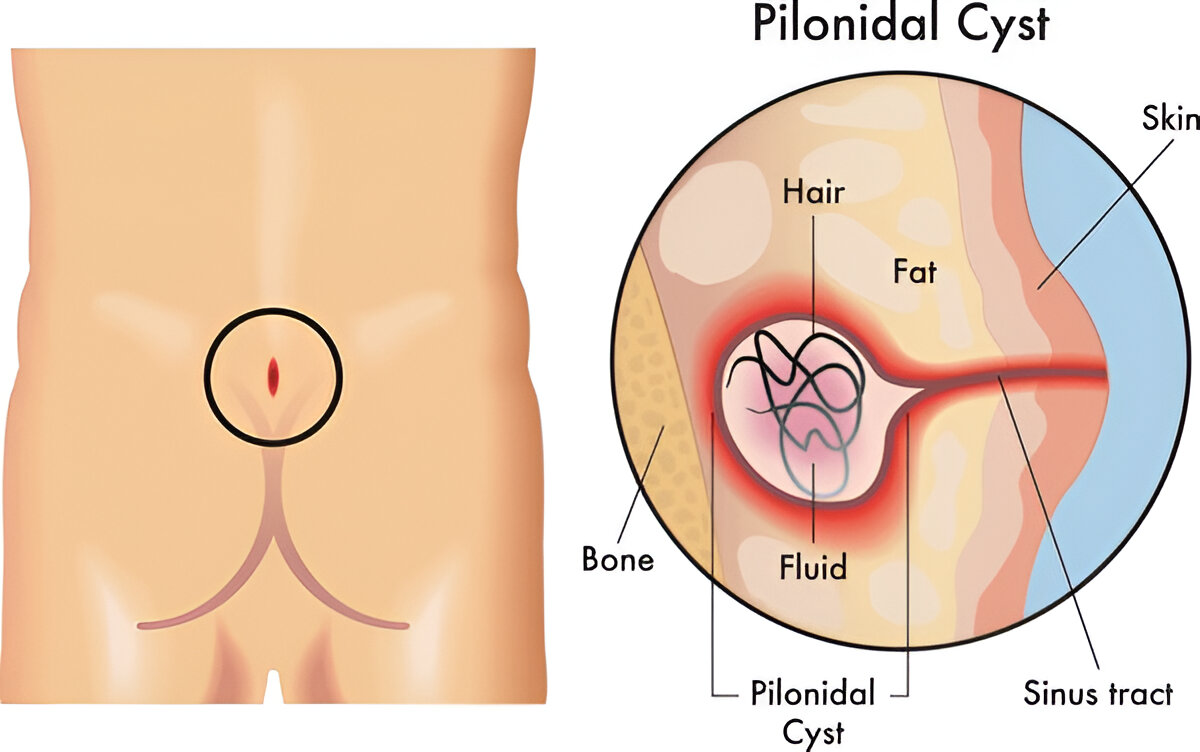
Pilonidal sinus is a condition that usually affects the gluteal cleft (crease between the buttocks), leading to the formation of multiple pits, tracts, or tunnels under the skin. These can trap hair and debris, leading to swelling, pain, and recurrent infections.
The term “pilonidal” is derived from Latin, where “pilus” means hair and “nidus” means nest, referring to the hair follicles that become trapped under the skin.
Identifying a Pilonidal Sinus and Recognizing Signs of Infection
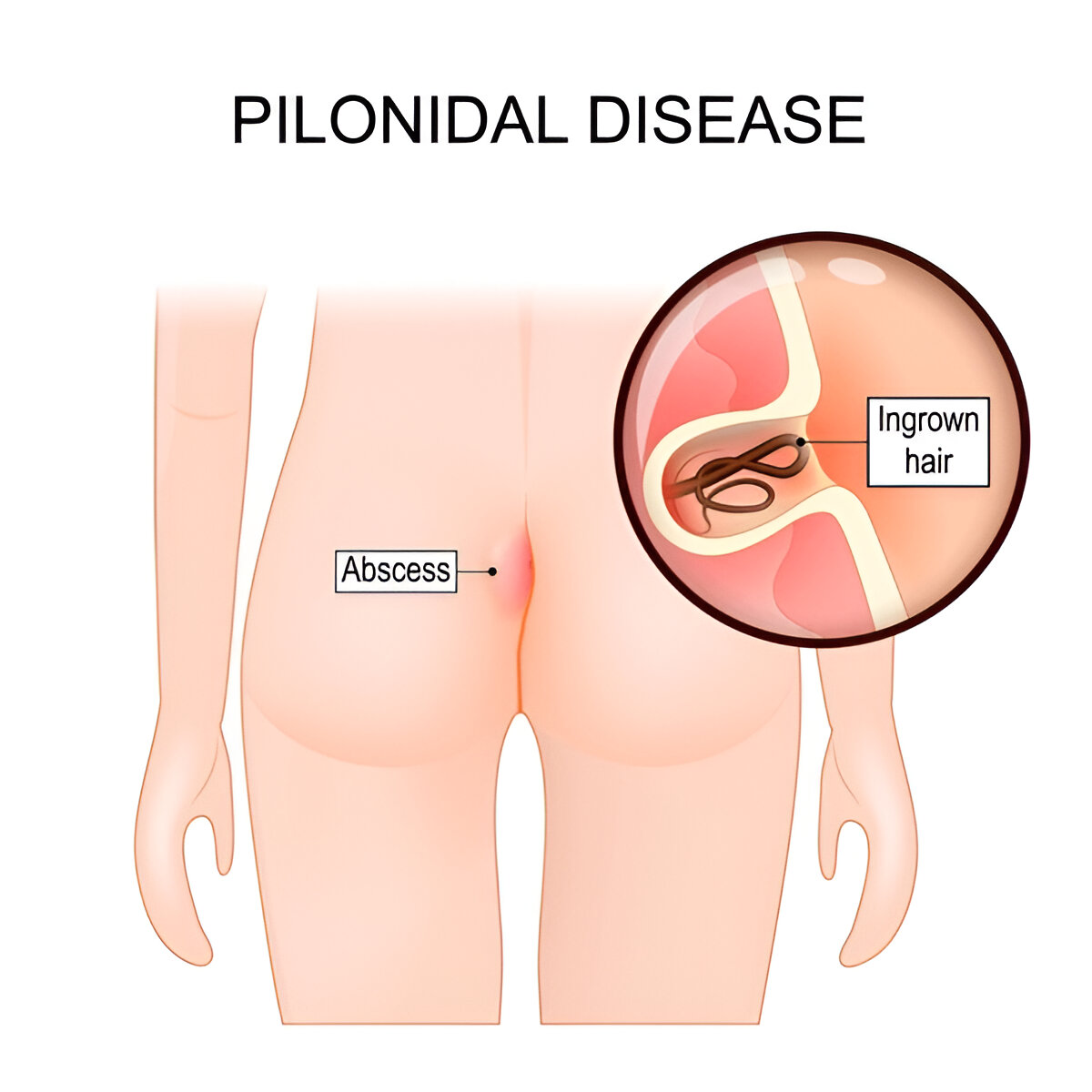
Initially, you may notice only a small, dimple-like indentation on your skin. However, if this area becomes infected, it can quickly evolve into a cyst—a closed sac filled with fluid—or an abscess, which is swollen, inflamed tissue where the pus accumulates.
The signs of an infection include:
- Discomfort or pain when sitting or standing
- Swelling of the cyst
- Red, tender skin around the affected area
- Pus or blood draining from the abscess, often with a foul odor
- Hair protruding from the lesion
- Development of one or more sinus tracts, or holes in the skin
Our treated Conditions
Causes and Risk Factors of Pilonidal Sinus
The exact pilonidal sinus cause is not always clear. However, it is believed to have developed due to a combination of factors, including:
Risk Factors
- More common in males than in females (4:1 ratio)
- Typically affects adolescents and young adults
- Recurrent cases are more common in middle-aged individuals
- Those at greater risk include individuals who are overweight, have excessive body hair, a deep natal cleft, or sit for prolonged periods (>6 hours/day)

Complications of Pilonidal Sinus
If left untreated or not managed properly, pilonidal sinus can lead to several complications, including:
- Chronic infections with persistent pain, swelling, and pus discharge
- Abscess formation that may require drainage
- Hemorrhage, particularly after surgery or during severe inflammation
- In rare cases, malignant transformation (squamous cell carcinoma)
Diagnosis of Pilonidal Sinus
Dr. Jagpreet typically diagnoses a pilonidal sinus through a physical examination.
In certain cases, he may recommend imaging tests—like an ultrasound or MRI—to assess the extent of the sinus or whether an abscess has formed.
Pilonidal Sinus Treatment in UAE
For patients experiencing chronic pilonidal sinus infections or pilonidal sinus with abscess, surgical intervention is often necessary. Dr. Jagpreet Singh Deed, based in Sharjah, offers advanced pilonidal sinus treatment, for effective relief.
Antibiotic Treatment
Antibiotics are often used in cases of pilonidal sinus with abscess to help control infection.
The most commonly used antibiotics include penicillin-based antibiotics, cephalosporins, and metronidazole plus/minus.
Pilonidal Sinus Surgery
Incision and Drainage
This procedure is performed to treat an infected abscess. A small cut is made in the abscess to allow the pus to drain, offering rapid relief of symptoms and minimal disruption to your daily routine.
However, due to a recurrence rate of approximately 40%, this method is usually a temporary solution that should be followed by definitive surgery.
Pit Picking
This technique removes the sinus tracts with minimal downtime and offers fast resolution of symptoms.
Despite its benefits, it has a recurrence rate of about 29%, indicating that additional definitive procedures may be necessary for long-term success.
Endoscopic Ablation and Laser Treatment
These minimally invasive methods use advanced technology to clean, ablate, and seal the sinus tract with minimal tissue damage and no alteration of natural anatomy
This approach promotes rapid healing, resulting in quick recovery with no downtime. The recurrence rate varies between 5 to 25% depending on centre, however the rapid return to normal, make it popular amongst students and office goers.
Flap Cover (Off-Midline Closure)
Flap cover is a surgical technique specifically recommended for patients with recurrent pilonidal sinuses.
In this procedure, a flap of healthy tissue is mobilized to cover the affected area. The flap method has the lowest chances of future recurrence and is a time-tested gold standard.
Types of flap procedures:
Limberg Flap:
Uses a rhomboid-shaped tissue rotation for closure.
Karydakis Flap:
Involves asymmetric closure to shift the midline and prevent recurrence.
Dufourmentel Flap:
A modified Limberg technique for improved healing.
Consult Dr. Jagpreet Singh Deed for Pilonidal Sinus Treatment in Sharjah
Pilonidal sinus is a common skin condition that can lead to discomfort, recurrent infections, and even drainage if left untreated. Expert advice is essential for an accurate diagnosis and effective treatment.
With over 23 years of dedicated experience in managing pilonidal sinus, Dr. Jagpreet Singh Deed is a leading general surgeon committed to delivering expert care and personalized treatment. As a valued member of the International Pilonidal Sinus Society based in Australia, he utilizes the latest advancements and proven techniques to ensure optimal patient outcomes.

