
Overview
Have you noticed a bulge or discomfort near a previous surgical scar on your abdomen? This could be more than just post-surgical swelling; it might be an incisional hernia.
Dr. Jagpreet Singh Deed is the best laparoscopic surgeon in Sharjah and the UAE. His dedication to surgical precision, innovation, and compassionate patient care has earned him a reputation as one of the leading general and laparoscopic surgeons.
In this comprehensive guide, you’ll learn:
- What is an incisional hernia?
- Common symptoms to look out for
- The causes and risk factors
- How to treat incisional hernia effectively
- The importance of surgical expertise in managing this condition
Let’s break down the facts and explore why timely incisional hernia treatment is crucial for long-term health and comfort.
What Is an Incisional Hernia?
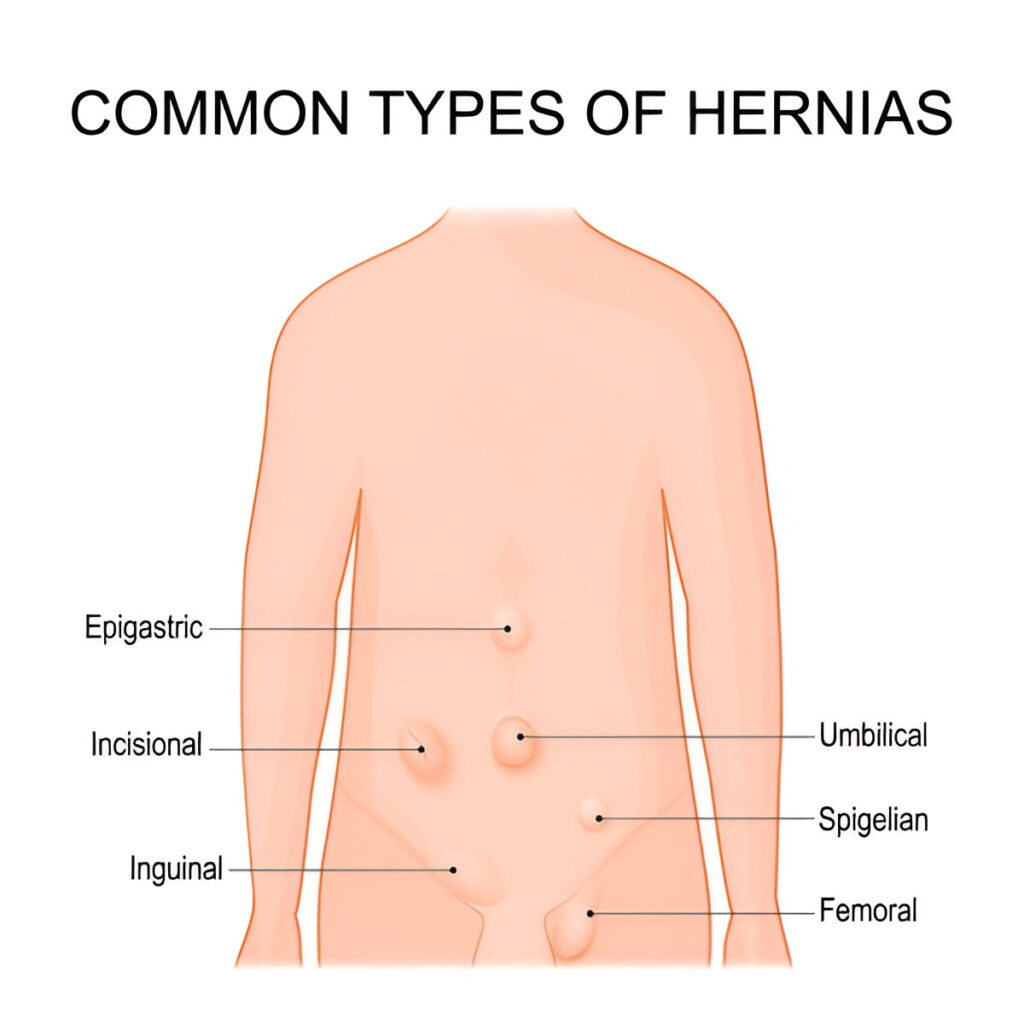
An incisional hernia happens when tissue pushes through a weak spot in the abdominal muscles at the site of a previous surgical incision. It usually develops months or even years after abdominal surgery.
Though not always painful at first, these hernias can grow larger, become more uncomfortable, and in severe cases, lead to complications like bowel obstruction or strangulation.
Incisional hernias are one of the most common types of ventral hernias and often require medical or surgical intervention to avoid worsening of the symptoms.
Our treated Conditions
Common Incisional Hernia Symptoms
It is vital to recognize the symptoms early. Some of the most common incisional hernia symptoms include:
- A noticeable bulge near the site of a surgical scar
- Mild discomfort or pain, especially during physical activity, coughing, or lifting
- A feeling of pressure or weakness in the abdomen
- Nausea or constipation in more severe cases
- Redness or tenderness around the bulge may indicate that complications have developed
What Causes an Incisional Hernia?
An incisional hernia typically develops due to improper healing of a previous surgical wound, leading to weakened abdominal muscles. Several factors can increase the risk, including:
- Obesity: Extra weight places stress on healing tissues
- Infection at the surgical site
- Poor nutrition or underlying chronic conditions that slow down wound healing
- Heavy lifting or strenuous activity before complete recovery
- Multiple abdominal surgeries, which increase cumulative stress on the abdominal wall
Understanding these risk factors can help prevent recurrence after incisional hernia surgery and encourage a smooth recovery.


How to Treat Incisional Hernia: Why Surgery Is Often the Best Solution
When it comes to how to treat incisional hernia, conservative methods such as observation or wearing a support belt might be used in small, asymptomatic cases. However, these are typically temporary solutions.
Surgical repair is considered the most effective treatment, especially for moderate to large hernias or those causing pain or discomfort. Treatment options include:
- Open hernia repair: In this technique, an incision is placed over the hernia, and sutures or mesh reinforce the abdominal wall.
- Laparoscopic surgery: A minimally invasive approach involving small incisions, a camera, and surgical tools to repair the hernia with mesh.
- Robotic-assisted hernia repair: Offers improved precision and quicker recovery for selected patients.
Each technique has its benefits, and the decision depends on the size and location of the hernia, your medical history, and overall health condition.
Recovery and Long-Term Outlook After Hernia Repair
Incisional hernia recovery time depends on the size and the type of repair surgery performed. In most cases:
- Laparoscopic surgery allows for faster recovery, within 1–2 weeks
- Open surgery requires around 3–6 weeks of rest and limited physical activity
Patients are advised to avoid heavy lifting, follow a nutritious diet, and attend all follow-up appointments to ensure proper healing and reduce recurrence risk.
With proper care and support, most patients experience a full recovery and return to normal activities with improved quality of life.
Choosing the Right Surgeon for Incisional Hernia Treatment in Sharjah
When it comes to incisional hernia surgery, expertise matters. Although a hernia may seem minor at first, improper repair can lead to recurrence, infection, or serious complications.
A specialist with a thorough understanding of complex abdominal wall reconstructions is essential for a successful repair surgery.
Why Patients Trust Dr. Jagpreet Singh Deed for Incisional Hernia Surgery
With a reputation for clinical excellence and patient-focused care for more than 23 years, Dr. Jagpreet Singh Deed brings precise expertise to general and laparoscopic surgery in Sharjah.
He is known for:
- Customized treatment plans tailored for each patient
- Advanced surgical techniques, including laparoscopic and robotic-assisted hernia repairs
- Transparent communication and holistic post-operative care
His practice is backed by a strong commitment to safety, innovation, and compassionate care, which gives patients peace of mind and confidence in their recovery journey.
Begin Your Recovery Journey with Expert Care
Incisional hernias don’t resolve on their own, and delaying treatment can lead to complications. If you’re noticing symptoms or have concerns about a previous surgical site, it’s time to consult an experienced specialist.
Learn more about the advanced surgical expertise, compassionate patient care, and tailored treatment options.
Book your consultation today with Dr. Jagpreet Singh Deed and take the first step toward a safer, pain-free future.

