
Locate the finest piles treatment in Sharjah.
Living with piles can be uncomfortable, painful, and sometimes even embarrassing. Whether it’s mild discomfort or severe irritation, this common condition affects millions worldwide, making everyday activities challenging. While piles may feel distressing, the good news is that effective treatments are available to provide relief and restore your comfort.
Dr. Jagpreet Singh Deed is a renowned Piles specialist in Sharjah with 23 years of expertise in surgical training. He is a pioneer in performing several successful laser surgery for piles.
Reduce discomfort and get consistent relief from hemorrhoids! Get the best treatment for piles!
What are Piles or hemorrhoids?
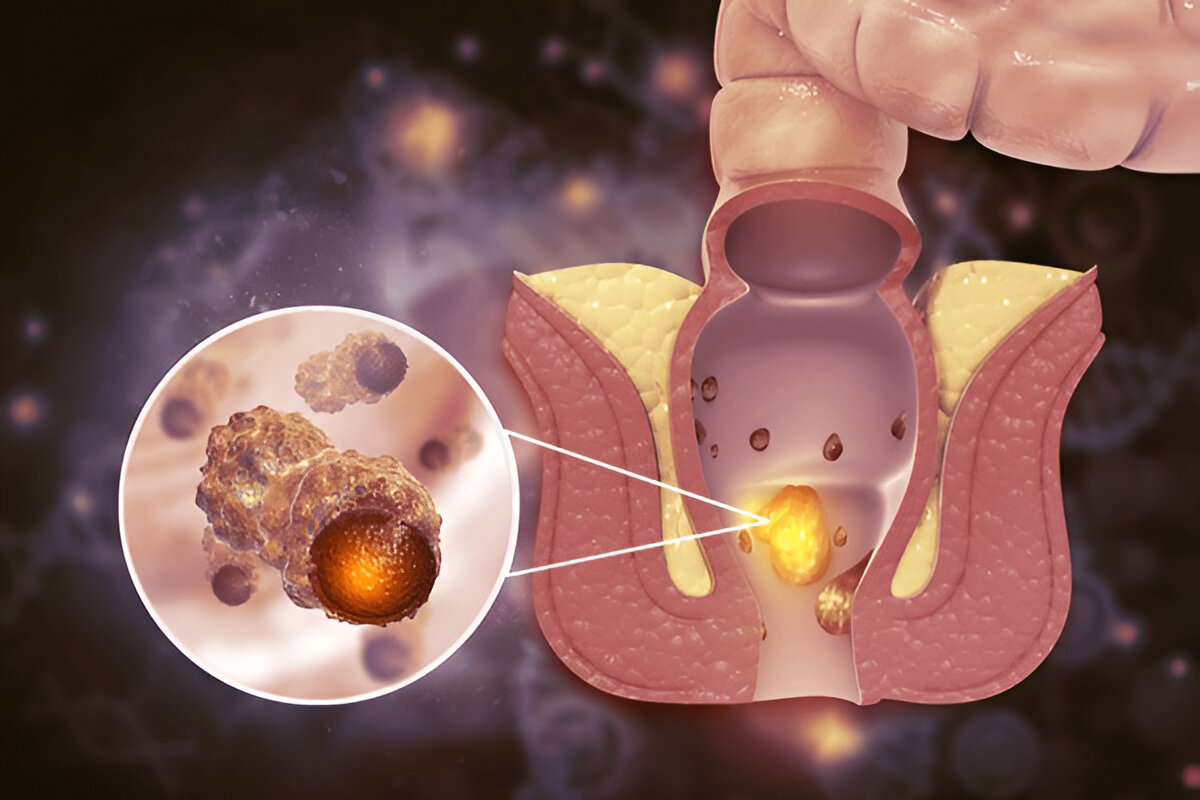
Piles or Hemorrhoids, are swollen or inflamed veins in the rectal area that can give rise discomfort, itching, bleeding, and pain. This condition is quite common. In some instances, hemorrhoids may be visible or felt around the anus, which are classified as “external” hemorrhoids. In other cases, they remain inside the rectum and are known as “internal” hemorrhoids. Some individuals may experience both types simultaneously.
Hemorrhoids – Anatomy
Hemorrhoids are typical vascular structures in the anal canal, arising from an arteriovenous connective tissue channel draining into the superior and inferior hemorrhoidal veins. They are located in the submucosal layer in the lower rectum. They may be external, internal, or mixed based on their location with respect to the dentate line. Internal hemorrhoids are divided into different grades according to the degree to which they prolapse from the anal canal.
Our treated Conditions
What are the types of Piles?
Internal hemorrhoids
Internal hemorrhoids are inside the rectum. You can’t see or feel it. Internal piles are divided into four grades,
Grade I
Grade II
Grade III
Grade IV
External hemorrhoids
These are swollen veins under the skin around the anus. It’s painful and itchy, causing bleeding occasionally. Sometimes, they are filled with blood that clots; it’s not very dangerous but can be painful with swelling.
Thrombosed hemorrhoids
If a blood clot forms inside a hemorrhoid, it’s called a thrombus, and it can cause pain, swelling, and itching.
What are the reasons for piles?
High pressure in the lower rectum causes hemorrhoids. The blood vessels surrounding the anus stretch under pressure and result in swelling or inflammation. The common causes of piles are,
- Chronic constipation
- Lifting heavy objects regularly
- Chronic diarrhea
- Straining while passing stool
- Pelvic pressure due to weight gain

Symptoms of Piles/Hemorrhoids
Hemorrhoids are more frequently seen in older individuals, those with persistent diarrhea or pelvic tumors, pregnant women, and individuals who sit for long durations or strain excessively during bowel movements.
Hemorrhoids and Rectal Bleeding
Hemorrhoids have a direct link to rectal bleeding. Rectal bleeding is one of the primary and painful symptoms of Piles/Hemorrhoids. It typically appears as bright red blood on toilet paper, in the stool, or in the toilet post a bowel movement. Generally, the bleeding is mild and stops on its own.
However, even a small amount of blood can make the toilet water appear bright red, which can be alarming. While hemorrhoid-related bleeding is usually painless, it can sometimes be accompanied by discomfort if the hemorrhoids are irritated or inflamed. In rare cases, the bleeding may be heavier, especially if a hemorrhoid ruptures due to excessive straining or prolonged constipation.
Although hemorrhoids are a common cause of rectal bleeding, other medical conditions, such as anal fissures, inflammatory bowel disease (IBD), diverticulosis, or even colorectal cancer, can also lead to similar symptoms.
Since it is impossible to determine the cause of rectal bleeding without a medical evaluation, it is essential to consult an experienced piles doctor or a qualified laparoscopic surgeon if:
- Bleeding persists or worsens over time
- You notice dark-colored stools or blood clots, which may indicate bleeding from a higher part of the digestive tract
- You experience dizziness, weakness, or fatigue, which may indicate significant blood loss.
- The bleeding is accompanied by unexplained weight loss or changes in bowel habits
Seeking medical attention early ensures an accurate diagnosis and the appropriate treatment for your condition.
Other Common Symptoms of Hemorrhoids
- Anal Itching and Discomfort: Hemorrhoids often lead to itching and irritation around the anus.
- Tissue Protrusion: Some individuals may feel or see swollen tissue bulging near the anus.
- Fecal Leakage and Cleaning Difficulty: Hemorrhoids can make it harder to clean properly after a bowel movement, sometimes leading to minor leakage.
When should you consult a piles doctor in Sharjah?
Hemorrhoids or piles are primarily asymptomatic. But there are possible symptoms that include;
Seek medical advice if:
- You experience new or worsening rectal bleeding.
- A protruding tissue from your rectum cannot be pushed back in.
- Severe pain is preventing you from having a bowel movement or urinating.
- Your symptoms persist or worsen despite home treatment.
- You develop a fever of 100°F (37.8°C) or higher.
If you experience bleeding during bowel movements or if your bowel movements look like tar, consult a doctor immediately. Bleeding can also occur for other reasons, so fix it with an immediate doctor consultation.
How to diagnose hemorrhoids?
Symptomatic hemorrhoids should be suspected in patients with bright red blood per rectum, anal pruritus, or acute onset of perianal pain. The diagnosis is confirmed by the exclusion of other causes of similar symptoms and by visualization of hemorrhoids.
To diagnose hemorrhoids, our piles doctor in Sharjah will conduct a physical examination of the rectum and anus. This may entail inserting a gloved finger into the rectum to check for abnormalities. If bleeding is present, further evaluation may be necessary using procedures such as anoscopy to examine the anus or sigmoidoscopy and colonoscopy to assess the colon and identify any underlying conditions.
Piles Treatment Options
In the majority of cases, piles resolve without any treatment. However, when you consult our piles doctor in Sharjah, he does a thorough analysis and offers the best treatment for piles.
Piles Treatment Without Surgery in Sharjah
Lifestyle changes
- Eat lots of fiber, including fruits, vegetables, and other foods. Fiber helps to increase bowel movements.
- Drink enough water and other fluids to keep you hydrated.
- Reduce fatty foods and alcohol. These can make constipation worse.
- Follow a diet that keeps the stools soft and regular.
- Get your regular dose of physical activity. Consider gentle exercise, like walking, which is good for your health.
- Take your time, but do not spend too much on the toilet. Do not push hard or strain during bowel movements.
- Sitz bath for 10 to 20 minutes per day
Piles medicines
There are several medicinal options to make the pile’s symptoms more manageable. Some of the piles medicines are,
- NSAIDs for inflammation and pain
- Laxatives to soften the stools
- Over-the-counter medications such as witch hazel, hydrocortisone, or lidocaine are ointments applied to the affected area.
Surgical Options: Minimally Invasive Treatments for Hemorrhoids
Most minimally invasive procedures for internal hemorrhoids are performed as day surgeries, requiring little to no downtime.
The following are common treatment options:
Rubber Band Ligation
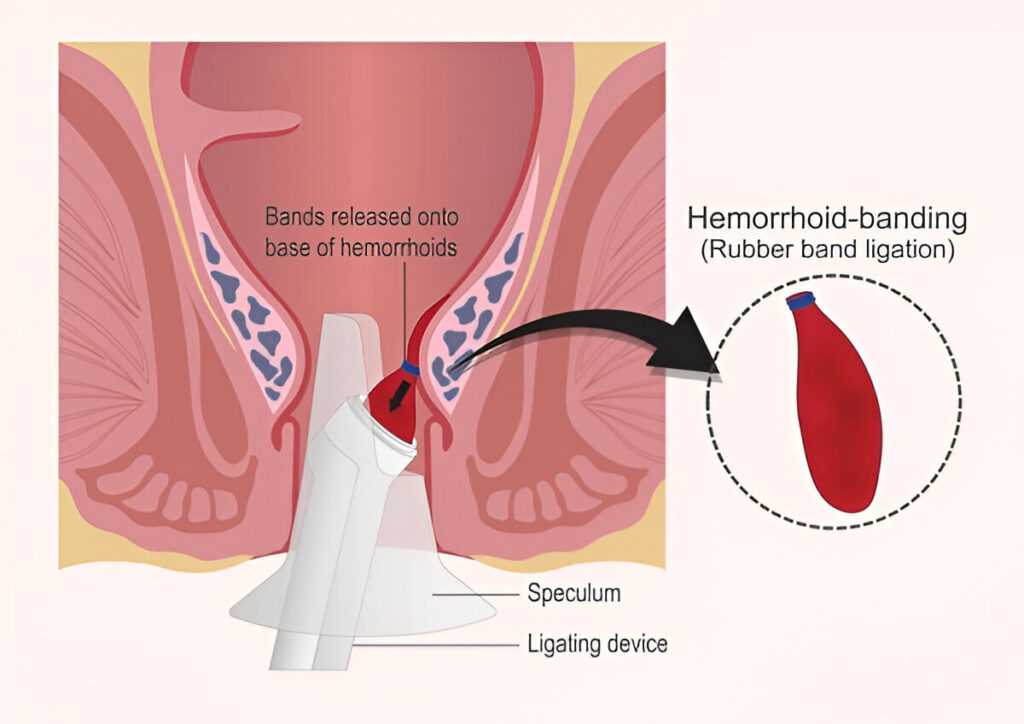
Rubber band ligation is one of the most frequently used procedures for treating hemorrhoids that provides relief for most patients. In this procedure, a small rubber band or ring is placed around the base of an internal hemorrhoid, cutting off its blood supply. As a result, the hemorrhoid shrinks and eventually falls off within a few days.
Patients may encounter a sensation of tightness or discomfort post procedure, which can be relieved by warm sitz baths. Our doctor may recommend fiber supplements in order to prevent constipation and facilitate smooth bowel movements.
Rubber Band Ligation
Rubber band ligation is one of the most frequently used procedures for treating hemorrhoids that provides relief for most patients. In this procedure, a small rubber band or ring is placed around the base of an internal hemorrhoid, cutting off its blood supply. As a result, the hemorrhoid shrinks and eventually falls off within a few days.
Patients may encounter a sensation of tightness or discomfort post procedure, which can be relieved by warm sitz baths. Our doctor may recommend fiber supplements in order to prevent constipation and facilitate smooth bowel movements.
Infrared, or Bipolar Coagulation or Laser surgery for Piles
These techniques use laser, infrared light, or heat to destroy hemorrhoidal tissue, causing it to shrink and heal over time. These procedures are generally quick, less painful, requiring minimal recovery time.
Sclerotherapy
Sclerotherapy entails injecting a chemical solution directly into the hemorrhoid. This leads to tissue breakdown and scar formation. While this method is effective, it is typically considered less effective than rubber band ligation for long-term symptom relief.
Surgical options
External hemorrhoids – When patients present with a thrombosed external hemorrhoid over three days after symptom onset, usually with symptoms already improving, surgery is not required. The thrombus organizes and contracts after 48 to 72 hours, lessening symptoms.
For patients who present in severe pain or significant bleeding, surgical intervention can provide immediate relief. For these patients, the doctor suggests hemorrhoid excision rather than incision and evacuation of the clot.
Internal hemorrhoids – There are three mainstream surgical treatments of internal hemorrhoids:
- Excisional hemorrhoidectomy excises the hemorrhoidal tissue with a scalpel, monopolar electrocautery, or other advanced electrosurgical devices.
- Stapled hemorrhoidopexy excises hemorrhoidal and redundant anal mucosal tissues with a circular staple.
- Hemorrhoidal arterial ligation (HAL) does not excise tissue but ligates arteries, feeding the hemorrhoids with Doppler-guided precision.
When choosing a hemorrhoid treatment, it comes down to what resources are available, what the surgeon recommends, and what matters most to the patient. Excisional hemorrhoidectomy usually offers the most long-term relief, but stapled hemorrhoidopexy or HAL might be a better fit for those who want less pain and a quicker recovery.
Piles treatment in Sharjah – Postoperative care
Following hemorrhoid surgery, the anal area is covered by a dressing to protect clothing. The
wounds will generally heal within a couple of weeks. Pain is expected and can be controlled primarily using acetaminophen/nonsteroidal anti-inflammatory agents and warm sitz baths. Narcotic medications can be used if needed, but these may cause constipation. Patients are instructed to avoid constipation.
Piles operation cost in Sharjah
The cost of piles surgery in Sharjah depends on the following factors,
- Type of piles operation, for example, laser hemorrhoidectomy, is more expensive than banding.
- Surgeons’ reputations, expertise, and facilities influence the pile’s operation cost.
- The severity of the hemorrhoids: severe cases require complex procedures and more extended hospital stays.
For an accurate cost estimate, consult Dr. Jagpreet Singh; he will assess your physical condition and offer the best piles treatment in Sharjah.
Seek the best hemorrhoids treatment with Dr. Jagpreet Singh Deed - Piles specialist in Sharjah.
If you continue to have rectal bleeding or piles that don’t improve after home care or medications, don’t hesitate to consult Dr. Jagpreet Singh.
Dr. Jagpreet Singh is a renowned general surgeon who specializes in laser surgery for piles. Laser therapy offers quick results and is free from post-surgical complications.
If you’re searching for effective treatment, contact our doctor for advanced laparoscopic procedures and successful minimally invasive surgeries.
Embark on your recovery with the best piles treatment in Sharjah! Call Us or Book an appointment!

FAQ
- Drink plenty of water
- Don’t delay bowel movements
- Eat fiber-rich foods
- Stay physically active
- Use laxatives according to the doctor’s prescription
The risk factors of symptomatic hemorrhoids are associated with aging, diarrhea, pregnancy, pelvic tumors, prolonged sitting, straining, and chronic constipation.
The best treatment for hemorrhoids depends on the severity of the piles. Lifestyle changes and over-the-counter medications are effective for mild hemorrhoids, but large and severe piles require surgical intervention. Self-diagnosis is not a solution, so consult Dr. Jagpreet Singh for the best hemorrhoids treatment in Sharjah.