
Femoral hernia treatment in Sharjah (UAE): Expert care with Dr. Jagpreet Singh Deed
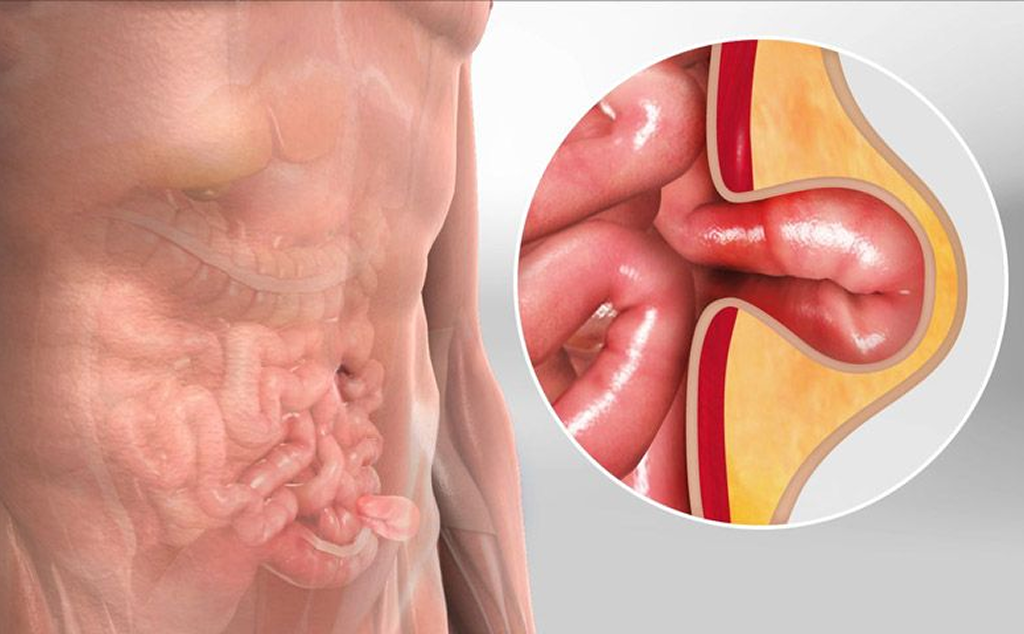
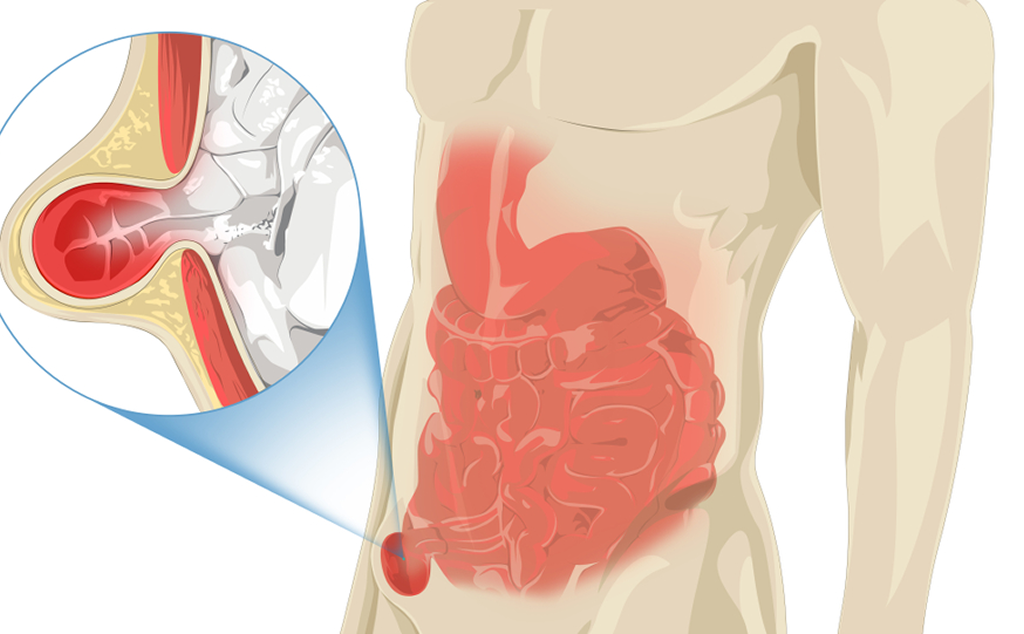
A femoral hernia is when a portion of fatty tissue or an organ protrudes through a weakened spot in the lower abdominal wall, specifically in the femoral canal.
This type of hernia is more common in women due to the broader structure of their pelvis. If left untreated, a femoral hernia can cause severe complications such as strangulation of the bowel.
For comprehensive care and femoral hernia treatment in Sharjah, consult Dr. Jagpreet Singh Deed, an experienced surgeon specializing in hernia surgery. Dr. Jagpreet Deed provides personalized treatment plans to ensure the best outcome and quick recovery.
What is a femoral hernia?
A femoral hernia is a bulging of tissue, usually the intestine, through a defect or weakness in the femoral canal close to the groin. The condition is commonly described as a bulge or lump that increases in prominence on standing or with straining, for example, with coughing or heavy lifting.
Although a femoral hernia is often harmless initially, it can become more problematic over time, significantly if it enlarges or becomes incarcerated. Femoral hernias are also different from inguinal hernias, which take place higher up in the groin region.
The femoral canal, through which the hernia develops, is located just below the inguinal ligament, making femoral hernias less common but still a serious health concern.
Our treated Conditions
What happens if a femoral hernia goes untreated?
If left untreated, a femoral hernia will result in the following complications:
Incarceration
Strangulation
Both conditions require intervention as soon as possible to avoid other health problems. Surgery can usually be the only way of curing a femoral hernia and avoiding such risks.
Femoral hernia symptoms
Femoral hernias also may not present with symptoms early on, but they will generate several warning signs as they progress. Some common symptoms of femoral hernia are:
- A noticeable lump in the groin or upper thigh area which may become more pronounced when standing or coughing.
- Pain or tenderness in the groin area, especially upon lifting heavy weights or straining.
- Swelling may increase in size during physical activity or as the day progresses.
- In serious situations, nausea and vomiting, or a sudden, stabbing pain can result if the hernia strangulates, a life-threatening complication that must be treated promptly.
If you notice any of these symptoms, it is essential to seek medical advice promptly. A femoral hernia, if left untreated, may result in serious complications.

Femoral hernia treatment options
Dr. Jagpreet Singh Deed offers expert femoral hernia treatment in Sharjah. Depending on the size and symptoms of the hernia, treatment options may vary:
1- Conservative management (for small or asymptomatic hernias): In case the hernia is tiny and not producing any symptoms, Dr. Jagpreet might suggest keeping the condition under observation. Changes in lifestyle, including avoiding heavy lifting, can stop the hernia from becoming bigger.
2- Femoral hernia surgery: The most widespread and successful method of treatment for a femoral hernia is surgery. The two predominant forms of surgery employed in the repair of femoral hernias are:
- Open hernia repair: A classic operation in which the herniated tissue is pushed back into place through an incision made adjacent to the site of the hernia, and the weakened area is reinforced with mesh.
- Laparoscopic hernia repair: A surgery that is minimally invasive, with the use of smaller cuts and a camera to assist the surgeon. This method causes less scarring, faster recovery, and fewer complications.
Dr. Jagpreet Singh Deed specializes in open and laparoscopic femoral hernia surgeries, ensuring the best technique is used based on the patient’s condition.
Femoral hernia prevention
Although femoral hernias cannot always be avoided, there are a number of things you can do to decrease the likelihood of developing one:
- Avoid heavy lifting: Use proper techniques or assistance when lifting heavy objects.
- Maintain a healthy weight: Excess weight can increase pressure on the abdomen and increase the risk of hernias.
- Exercise regularly: Strengthening the muscles around the abdomen can help prevent hernias from forming.
- Treat chronic coughing or constipation: Managing conditions that pressure the abdomen may help prevent hernia formation.
Femoral hernias are a serious medical condition that should not be ignored. If you have a feeling that you have a femoral hernia or are noticing symptoms like groin pain or the presence of a bulge in the thigh, consult professional medical care from Dr. Jagpreet Singh Deed, one of Sharjah’s top surgeons.
With years of experience in hernia surgery, Dr. Jagpreet Singh Deed will provide the best treatment plan to ensure your health and well-being.
Schedule a consultation with Dr. Jagpreet Singh Deed today for femoral hernia treatment in Sharjah. Don’t wait until complications arise—take action now to ensure a quick and complete recovery.
Femoral hernia surgery recovery
The majority of patients recover within a few weeks after femoral hernia surgery, but full recovery is achieved in 6 weeks.
Post-operative care includes rest, pain management, and avoiding heavy lifting or strenuous activities. Dr. Jagpreet will provide specific instructions to ensure a smooth and effective recovery.
Femoral hernia surgery cost in Sharjah
The price of femoral hernia surgery in Sharjah varies with different parameters, such as the type of operation, complexity of the hernia, hospital selection, and surgeon experience.
Dr. Jagpreet Singh Deed provides transparent pricing for femoral hernia surgeries and will ensure you receive the best care at an affordable cost. For accurate cost details, you can schedule a consultation with Dr. Jagpreet Singh Deed to discuss your treatment options, the expected surgery cost, and post-operative care.
