
What is an umbilical hernia?
An umbilical hernia happens when a portion of the intestine or abdominal tissue pushes through a weakened area in the abdominal wall near the belly button (umbilicus).
This condition is common in both infants and adults and may result in a noticeable bulge in the navel area.
While many umbilical hernias are harmless, they can cause discomfort, particularly when coughing, lifting, or straining. In some cases, complications may require medical attention.
What are the different types of umbilical hernia?
Umbilical hernias are categorized into two main types:
- Congenital umbilical hernia: This type is common in newborns and occurs due to incomplete closure of the abdominal muscles at birth. Most cases resolve on their own by the age of 3-5.
- Acquired umbilical hernia: This is more common in adults and occurs due to increased abdominal pressure from obesity, pregnancy, or heavy lifting, leading to the protrusion of abdominal contents.
Our treated Conditions
Who is at risk of developing umbilical hernia?
Several factors can contribute to the development of an umbilical hernia, including:
Age
Excess Weight
Pregnancy
Chronic respiratory issues
Physical Strain
What are the symptoms of an umbilical hernia?
Many umbilical hernias are painless, but umbilical hernia symptoms can include:
- A soft bulge near the belly button
- Pain or tenderness around the hernia, especially when coughing or lifting
- A feeling of pressure or discomfort in the abdomen
- Redness, swelling, or nausea in severe cases, indicating a possible complication
- Changes in the bulge size, becoming more prominent when standing or straining

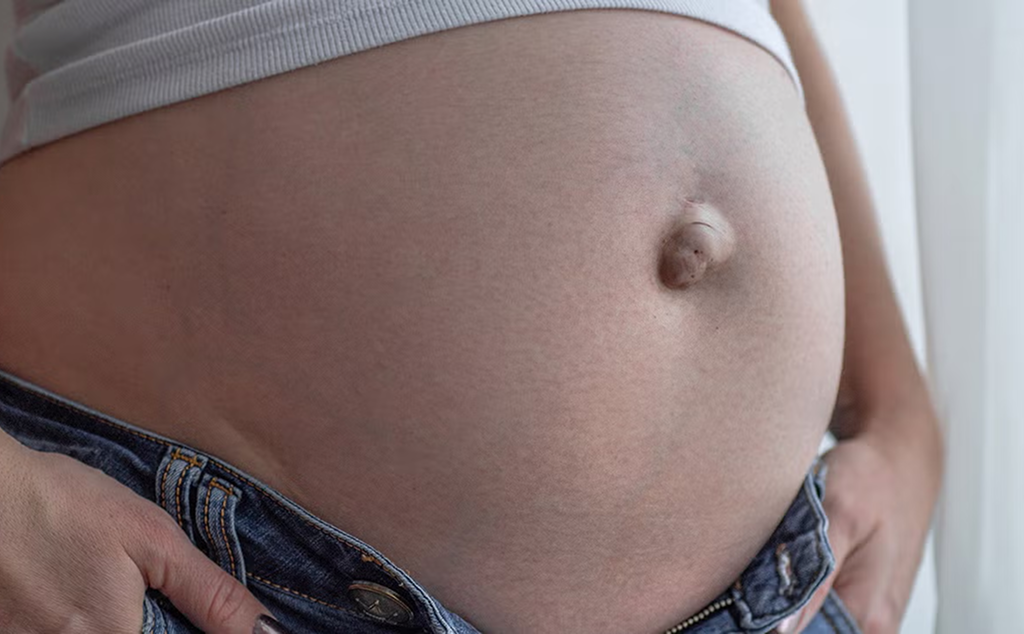
When should I worry about my umbilical hernia in adults?
You should visit a doctor if the bulge:
- Becomes painful
- Occurs alongside vomiting
- Swells up and becomes discolored
- Does not decrease when lying down or under light pressure
Umbilical hernia treatment in Sharjah, UAE
For small, asymptomatic hernias, watchful waiting and lifestyle modifications may be recommended. Most children with umbilical hernias heal by the time they are 5 years old.
However, treatment is necessary if the hernia is painful, enlarging, or causing complications.
Non-surgical management:
- Lifestyle changes: Maintain a healthy weight, avoid heavy lifting, and manage chronic coughing
- Wearing an abdominal binder: Provides support and reduces discomfort
Umbilical hernia surgery:
Surgery is the only definitive treatment for umbilical hernias that are symptomatic or at risk of complications.
- Open hernia repair: The surgeon makes an incision near the hernia, repositions the protruding tissue, and reinforces the abdominal wall with stitches or mesh.
- Laparoscopic hernia repair: A less invasive approach that involves small incisions and a camera to repair the hernia with mesh reinforcement, leading to quicker recovery and minimal scarring.
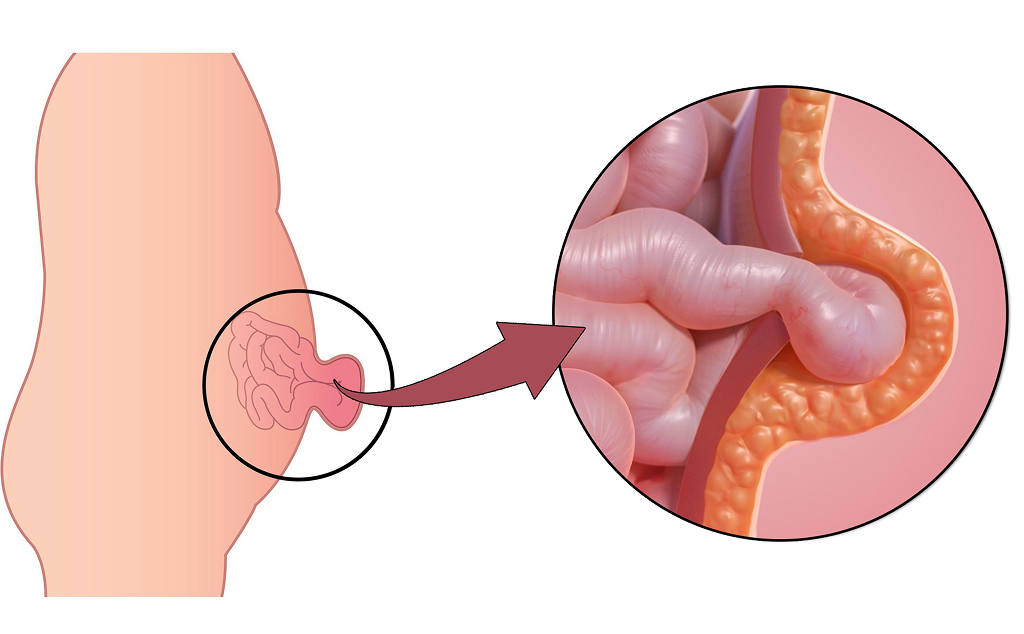
During the procedure to treat an umbilical hernia, Dr. Jagpreet makes incisions (cuts) to access the hernia and push the tissue back gently into place. Then, he strengthens the abdominal wall muscle to hold the tissue in place.
Sometimes, he uses a material called surgical mesh to strengthen the tissue barrier.
What are the complications of umbilical hernia?
Complications from an umbilical hernia are uncommon in children. However, issues may arise if the protruding abdominal tissue becomes trapped (incarcerated) and cannot be pushed back into the abdominal cavity. This may cut off blood flow to the intestine, causing pain and possible tissue damage.
If the trapped section of the intestine loses its blood supply entirely, it may result in tissue death.
In severe cases, the infection may spread across the abdominal cavity, posing a life-threatening risk.
Adults with umbilical hernias have a higher likelihood of experiencing intestinal blockage. In such cases, emergency surgery is often necessary to prevent serious complications.
How is an umbilical hernia diagnosed?
A physical exam is usually enough to diagnose an umbilical hernia. However, if needed, imaging tests can help evaluate its severity:
- Ultrasound: Identifies the hernia and assesses its contents
- CT scan or MRI: Provides detailed imaging of the abdominal structures
- X-ray: Helps detect complications such as bowel obstruction
Dr. Jagpreet will determine the best diagnostic approach based on your symptoms and medical history.
Consult Dr. Jagpreet Singh Deed for umbilical hernia treatment in UAE
Dr. Jagpreet Singh Deed is a highly experienced general surgeon with over 23 years of expertise in advanced surgical procedures.
Specializing in minimally invasive hernia repairs, he is known for his patient-focused approach and commitment to delivering the best possible outcomes for those dealing with umbilical hernias in Sharjah.
Book an appointment today for expert umbilical hernia treatment in Sharjah.
